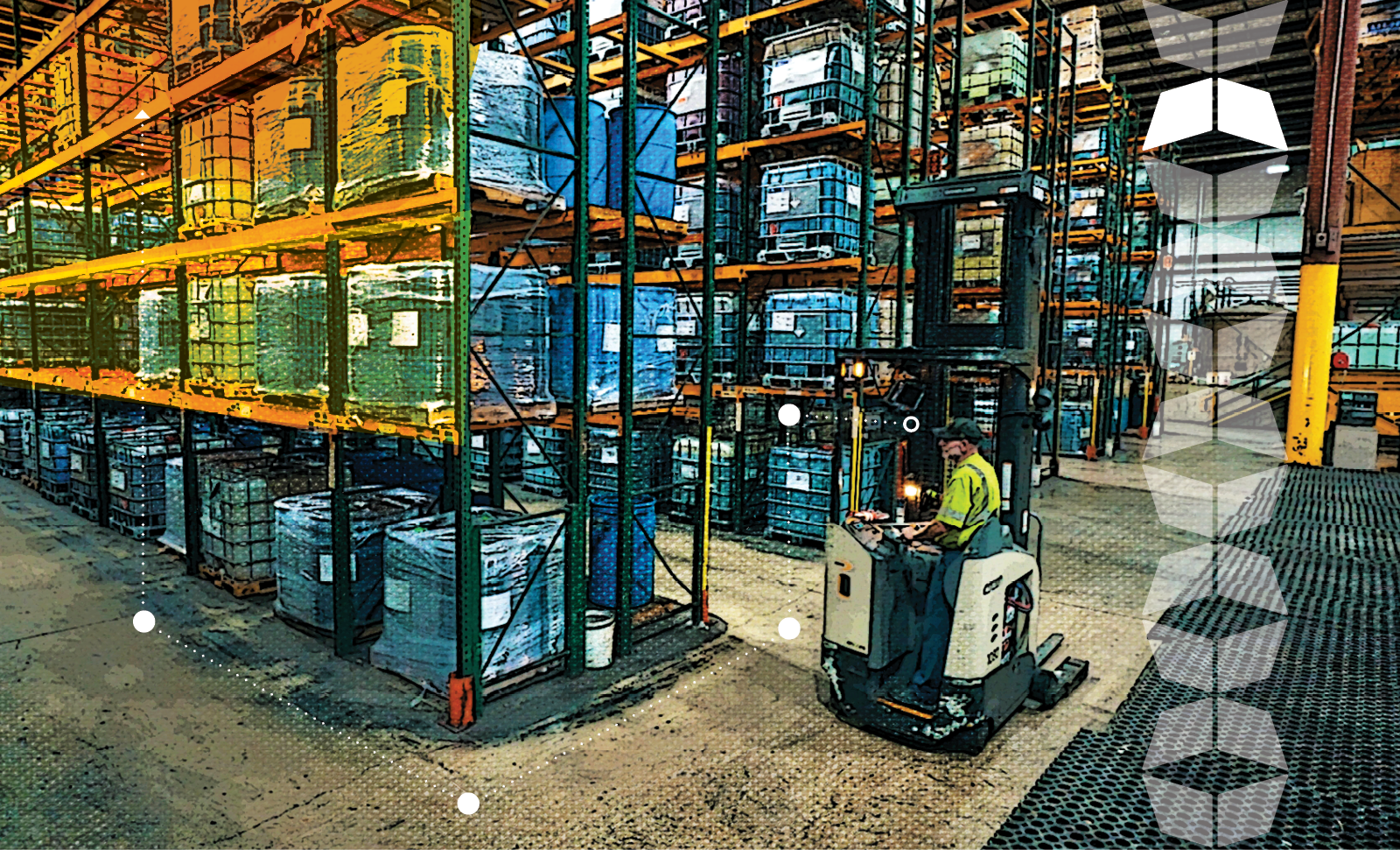
Every container brought into a hazmat warehouse carries inherent risk, requiring that every decision—from receipt and segregation to equipment selection—be engineered for safety and compliance. Hazardous materials storage is fundamentally different from standard warehousing. Unlike conventional products, chemicals can react, ignite, off-gas, corrode, or become unstable when exposed to the wrong temperature, incompatible materials, or insufficient ventilation.
Improper storage can lead to chemical exposure, fires, toxic releases, environmental damage, worker injuries, and costly regulatory violations. A single misstep in chemical supply chain management can trigger shutdowns, derail operations, or result in fines and long-term reputational harm. In this environment, “close enough” is never acceptable, where precision, documentation, and adherence to standards define daily operations.
Fully compliant hazmat operations depend on specialized expertise, a safety-driven culture, and disciplined, repeatable compliance practices. When these elements are in place, hazardous materials can be stored and handled with the controlled, consistent processes needed to protect people, facilities, and the supply chain.
Specialized tools and equipment required for hazmat storage
Hazardous materials require an environment engineered to control risk, not just accommodate inventory. Every piece of equipment must be selected for its ability to prevent ignition, contain leaks, support chemical compatibility, and maintain safe conditions under all operating scenarios.
Spill containment systems
Secondary containment, spill pallets, and berms prevent leaks from spreading and becoming environmental or safety hazards. These systems are designed for specific chemical storage applications and constructed with materials that resist corrosive, acidic, and reactive substances. Effective containment is crucial to compliant hazmat storage, enabling safe routine handling and rapid incident response.
Fire-suppression systems
Foam-based suppression, heat-sensing detection, and chemical-resistant components rated for chemical hazards are engineered to address the ignition risks of flammable liquids, oxidizers, and other reactive chemicals. These systems activate quickly, limit fire spread, and remain functional even in corrosive or high-risk environments.
Proper ventilation systems
Controlled airflow is essential for worker safety, environmental compliance, and the prevention of slow-building risks that can go unnoticed without engineered controls. Ventilation systems maintain safe air quality and prevent dangerous vapor accumulation from volatile, toxic, or odor-producing chemicals. Specialized ventilation controls ensure vapors are captured, filtered, and exhausted before reaching hazardous levels.
Temperature-controlled zones
Chemicals with heat sensitivity or reactivity concerns require tightly managed conditions to prevent instability, pressure buildup, or product degradation. Temperature-controlled zones maintain safe temperatures for these materials and protect overall product integrity. These rooms typically include alarms, backup power, and continuous monitoring to ensure consistently stable conditions.
Material handling equipment
Hazardous substances require material handling equipment designed to manage exposure and ignition risks. Corrosion-resistant forklifts, grounding straps, secure drum and tote attachments, and static-controlled equipment support safe, compliant movement of high-risk materials. These tools protect operators and help prevent spills, leaks, or ignition during routine handling.
Storage solutions
Chemical compatibility dictates appropriate storage locations and configurations. Segregation cabinets, flammable-liquid lockers, and barrier-separated aisles keep incompatible chemicals apart to prevent hazardous reactions. Storage systems must feature chemical-resistant surfaces and ensure clear visibility, proper labeling, and compliance with separation standards.
Real-time monitoring tools
Sensors and automated systems track temperature, humidity, and exposure risks in real time. This visibility helps catch deviations early, enables quick response, and maintains audit-ready records. Continuous monitoring is critical in high-hazard environments, where even small changes can signal emerging risks.
Regulatory requirements and certifications that matter
Hazmat storage is shaped by stringent DOT, EPA, and OSHA regulations that govern everything from facility design to labeling, documentation, and incident response. These compliance frameworks ensure chemicals are stored, handled, and transported in ways that protect workers, the environment, and surrounding communities.
Accurate, up-to-date Safety Data Sheets (SDS) and documentation protocols are central to compliance. SDS information guides segregation, handling procedures, PPE requirements, and emergency response, making precise documentation essential for both safety and regulatory readiness.
Certifications signal operational maturity and reduce risk exposure for shippers by demonstrating that a warehouse’s systems, training, and processes have been independently validated against rigorous industry standards. In a highly regulated environment, certified operations maintain structured safety programs, trained personnel, and audit-ready documentation, ensuring disciplined, compliant performance.
Key certifications include:
- Responsible Care® (American Chemistry Council): Validates adherence to high standards for environmental, health, safety, and security performance.
- OSHA HAZWOPER training: Ensures employees are properly trained to handle hazardous substances and respond to chemical emergencies.
- NFPA compliance: Confirms that fire protection and storage configurations meet standards for managing flammable and combustible materials.
Maintaining readiness for internal audits, third-party assessments, and regulatory inspections further reinforces a culture of compliance and ensures that safety systems consistently function as intended.

Training, safety culture, and workforce competency
Hazmat environments require rigorous, recurring training, not a “once and done” approach. Employees must continually refresh their knowledge of chemical compatibility, spill response, PPE use, forklift operations, emergency evacuation, and incident reporting to ensure safe, compliant handling of hazardous materials. This depth of training helps employees understand not only how to perform tasks safely, but why each step is necessary to prevent exposure, ignition, or cross-contamination.
Due to these complexities, hazmat warehouses rely on trained, full-time associates rather than rotating temporary labor. Full-time teams build the repetition, material familiarity, and procedural consistency needed to recognize risks early, follow protocols precisely, and respond quickly when conditions change.
A strong safety culture reinforces these capabilities. Daily safety meetings, near-miss analysis, and continuous improvement routines keep teams engaged in identifying hazards before they escalate and ensure operational discipline across shifts.
Low turnover further strengthens compliance and stability. An experienced workforce brings continuity, operational memory, and a deeper understanding of material-specific hazards; capabilities that reduce training gaps and support a safe, reliable hazmat operation.
Participation in industry programs that elevate safety and operational consistency
Participation in industry stewardship programs demonstrates a deeper commitment to safety, environmental responsibility, and operational discipline within hazmat environments. The Responsible Care® Partner program, for example, requires organizations to meet defined performance expectations, undergo regular audits and verification steps, and uphold cultural commitments centered on health, safety, and environmental protection. These requirements create a structured foundation for continuous improvement and accountability.
Initiatives such as Operation Clean Sweep® provide additional guidance for operations handling plastics or resin materials. This program focuses on preventing pellet, flake, and powder loss through defined handling practices and environmental controls, reducing contamination risks, and strengthening sustainability performance.
Industry-specific best practices shared through organizations such as the American Chemistry Council (ACC), the National Association of Chemical Distributors (NACD), and local environmental groups help hazmat operators stay aligned with evolving standards and apply proven methods for managing material risks.
Collectively, these programs enhance process discipline, improve risk management, and build customer trust. They signal that a provider is committed to exceeding regulatory requirements through verified, industry-supported practices.
Why choosing a hazmat-experienced 3PL matters
Hazardous materials amplify operational and regulatory risk across the supply chain. Managing compliance, incident response, and documentation flawlessly requires a partner with proven chemical logistics competence. Providers with specialized knowledge apply the correct protocols for each chemical class, maintain precise documentation, and ensure handling practices that prevent disruptions, violations, and unsafe conditions.
Hazmat-qualified 3PLs also reduce liability exposure for manufacturers, importers, and distributors. With the proper training, infrastructure, and oversight in place, the likelihood of compliance errors, environmental impact, or operational incidents is significantly reduced.
Key benefits of working with an experienced hazmat 3PL include:
- Reduced facility and transportation risk
- Fewer compliance errors
- Lower incident rates
- Better insurance outcomes
- Faster regulatory audits
Specialty 3PLs can also advise on packaging, labeling, storage design, and emergency response planning. Their technical understanding of chemical hazards and regulatory requirements supports safer decision-making at every stage of the supply chain.

Ensure Compliance with a Hazmat- Experienced 3PL
Hazmat storage isn’t about having space; it’s about having the right tools, trained people, certified processes, engineered facilities, and a culture of safety. Every chemical carries its own risks, and managing them effectively requires deep expertise and disciplined operational control.
As Mike Coenen of WSI explains: “Hazardous can mean so many things. A flammable liquid, a corrosive acid, an oxidizer… they require different handling equipment, storage conditions, and operator training. We are experts at identifying and sourcing the right equipment and operator for each specific material. We’re very careful about this, which is why we have a dedicated chemical review team.”
WSI brings more than a decade of Responsible Care®-certified operations, experienced chemical-handling teams, advanced storage infrastructure, and a strong safety and compliance record. Our experts assess the risk factors that matter most—ignition and spark hazards, chemical compatibility, load-handling requirements, operator protection, and the maintenance and inspection standards required for safe equipment performance. These capabilities allow WSI to support manufacturers with a fully compliant hazmat storage environment built on precision, consistency, and safety.
Contact WSI to evaluate your hazmat storage and tool needs, strengthen compliance, and partner with a 3PL built for chemical logistics excellence.
About the Author

Margot Howard
Margot Howard is a Freelance content marketing writer and strategist with 10+ years of experience. Margot worked in corporate sales for many years before transitioning to content marketing. She writes for B2B SaaS, software, and service companies, especially those in shipping and logistics, Sales Tech, and MarTech.