Manufacturing Logistics Resource Center
Manufacturers are dealing with extensive complexities. From trade volatility and tariffs to skilled labor shortages and increasing cybersecurity threats, the industry faces rising costs and persistent supply chain disruptions.
Third-party logistics partners have the ability to help manufacturers optimize logistics operations, reduce risk, and improve supply chain performance. By understanding the core areas of manufacturing logistics and providing the visibility and experience, manufacturers can mitigate the effects of today’s challenges.
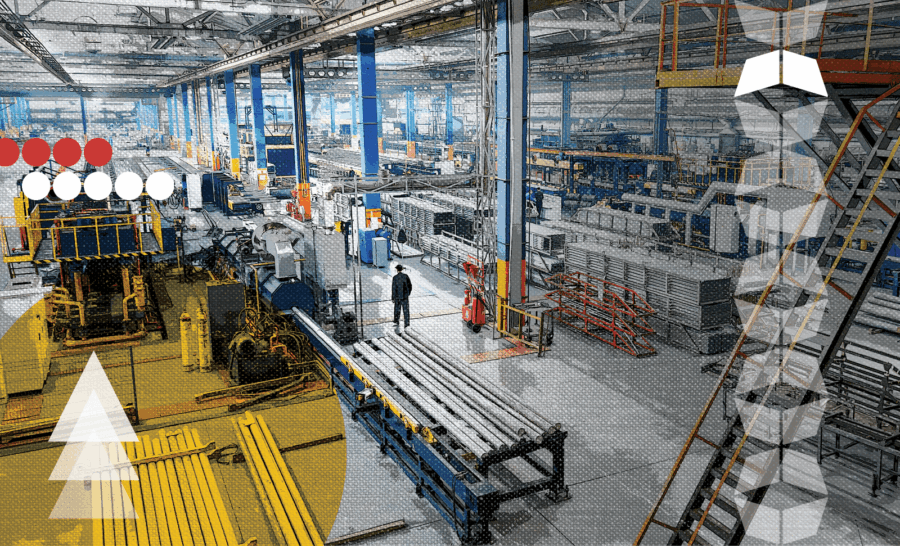
Table of Contents
Core areas of manufacturing logistics
Material Handling
Material handling is designed to support both safety and efficiency across every stage of the operation. From inbound receipt to internal movement and outbound staging, processes are structured to protect product integrity while keeping workflows consistent and predictable.
Warehouse Labor
A trained, dependable workforce is essential to maintaining manufacturing continuity. Labor models are aligned to production schedules and volume fluctuations, ensuring the right level of support is available without introducing disruption or delays.
Transportation Logistics
Transportation connects production to suppliers and customers, making reliability critical. Coordinated inbound and outbound freight strategies help maintain steady material flow while minimizing transit variability and cost exposure.
Industry Knowledge
Deep industry knowledge allows logistics operations to align closely with manufacturing realities. This includes understanding production cycles, compliance requirements, and the operational pressures that shape decision-making on the floor.
Compliance & Safety
Regulatory requirements don’t pause for operational pressures. Documented compliance programs, hazmat-certified facilities, and continuous safety training ensure operations meet the EPA, OSHA, and DOT standards manufacturers are held to.
Technology & Visibility
Real-time data across inventory, inbound, and outbound operations gives manufacturers a single source of truth. WMS-directed workflows and ERP integration eliminate the manual handoffs where errors and delays accumulate.

How to choose the right manufacturing 3PL
This playbook reframes how manufacturing companies are evaluating logistics partners through a risk-first lens. The goal is to identify risk exposure, pressure-test providers, and build logistics networks that can absorb disruption without sacrificing performance.
Why location strategy matters in manufacturing logistics
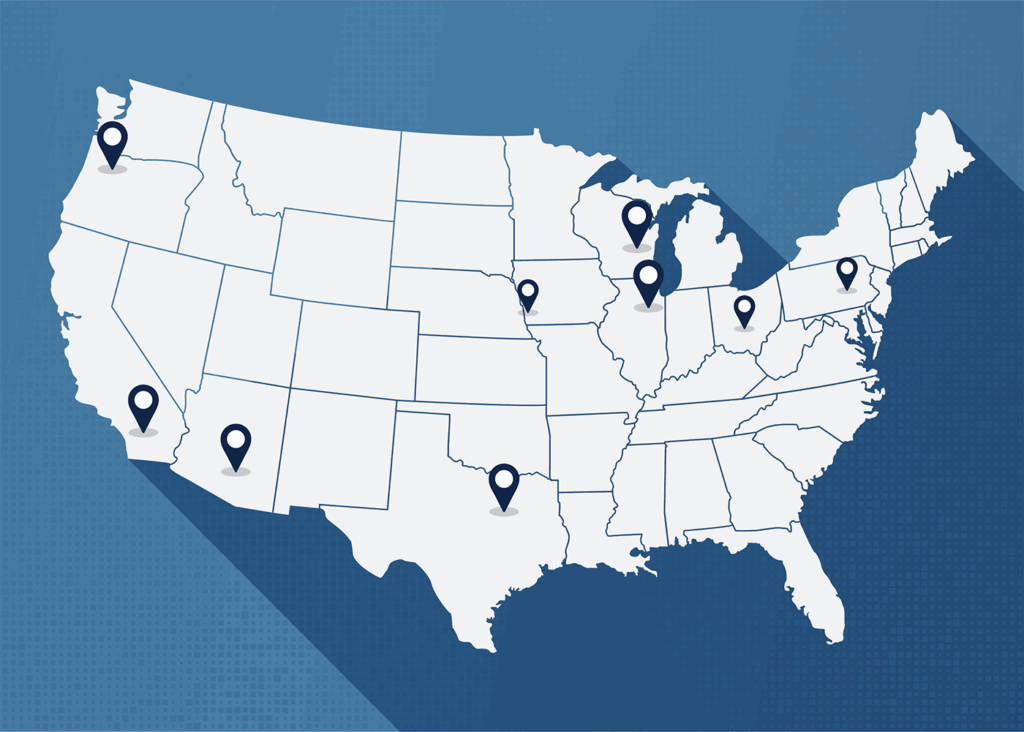
Location plays a direct role in how efficiently a manufacturing operation runs. Where inventory is stored determines how quickly materials reach the production floor, how reliably finished goods reach customers, and how much is spent moving freight between each step.
Strategically positioned 3PL facilities reduce transit time, support just-in-time production, and improve overall supply chain responsiveness. Instead of acting as static storage points, well-placed warehouses function as operational extensions of the manufacturing process, helping balance cost, speed, and flexibility.
How 3PL location impacts manufacturing peformance
|
Factor |
What It Means for Manufacturing |
Operational Implact |
|---|---|---|
|
Proximity to suppliers and customers |
Warehouses are positioned close to key vendors and end markets |
Shorter transit times, lower inventory carrying costs, and faster response to demand changes |
|
Access to transportation infrastructure |
Facilities are located near ports, highways, and rail-served networks |
Reduced freight costs, improved reliability, and fewer disruptions in material flow |
|
Support for just-in-time (JIT) production |
Inventory is staged closer to production facilities |
Less excess inventory, improved production efficiency, and reduced storage overhead |
|
Fulfillment and distribution efficiency |
Locations enable faster outbound delivery to customers |
Improved service levels and better handling of high-volume or time-sensitive orders |
|
Market access and reach |
Facilities are aligned with regional demand patterns |
Faster entry into new markets and more competitive delivery timelines |
|
Cost optimization |
Use of shared 3PL infrastructure instead of owned facilities |
Lower capital investment and more predictable operating costs |
|
Scalability and flexibility |
Ability to expand or shift distribution footprint as needed |
Faster adaptation to demand shifts, seasonal changes, or network redesigns |
Factors
Top manufacturing challenges to look out for

Production and logistics misalignment
When production schedules and logistics operations are not tightly coordinated, materials arrive too early or too late, creating bottlenecks, idle time, and unnecessary handling across the network.

Inefficient handling of heavy and specialized materials
Manufacturers dealing with oversized or complex materials often face delays and safety risks when facilities lack the proper equipment or expertise, slowing throughput and increasing operational strain.

Fragmented transportation planning
Disconnected inbound and outbound freight strategies limit efficiency and visibility, driving up costs, increasing transit variability, and making it harder to maintain consistent service levels.
3PL technology is essential for visibility
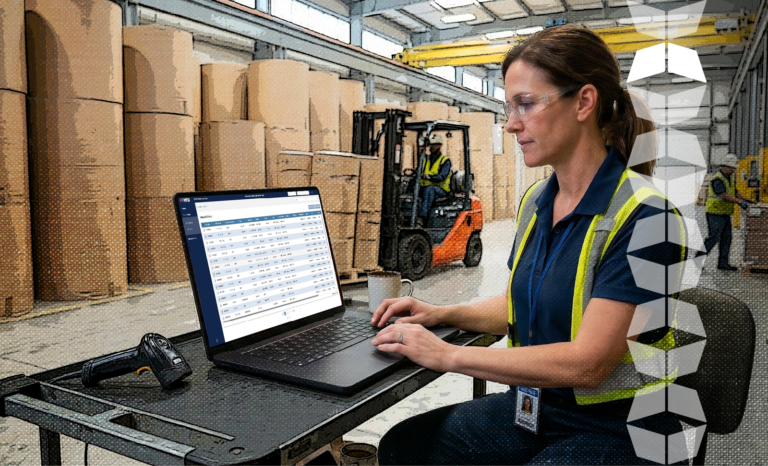
Modern 3PL technology provides real-time visibility into inventory, orders, and shipments across the entire network, allowing teams to detect issues earlier and respond with greater precision.
This level of insight is essential for maintaining production continuity. Technology has become critical to improving decision-making and reducing the operational risk that comes from delayed or incomplete information.
Manufacturing blog resources


Plan your next move in manufacturing logistics
Connect with WSI to learn more about manufacturing logistics strategies and discover how WSI our team supports supply chains.