2025 reflected a growing urgency to adapt and optimize supply chains amid ongoing disruption.
Logistics teams focused on how these warehousing and transportation decisions directly shape cost-to-serve, compliance risk, service reliability, safety performance, and a company’s ability to scale with confidence.
This was reflected in our most popular content, with 2025’s most-read WSI pieces focusing on how high-performing operations are built, where risk hides, and what shippers and manufacturers can control when conditions are unpredictable.
Presenting the WSI articles, resources, and customer stories that readers were drawn to this year.
WSI x Syngenta: Building a Midwest Distribution Powerhouse
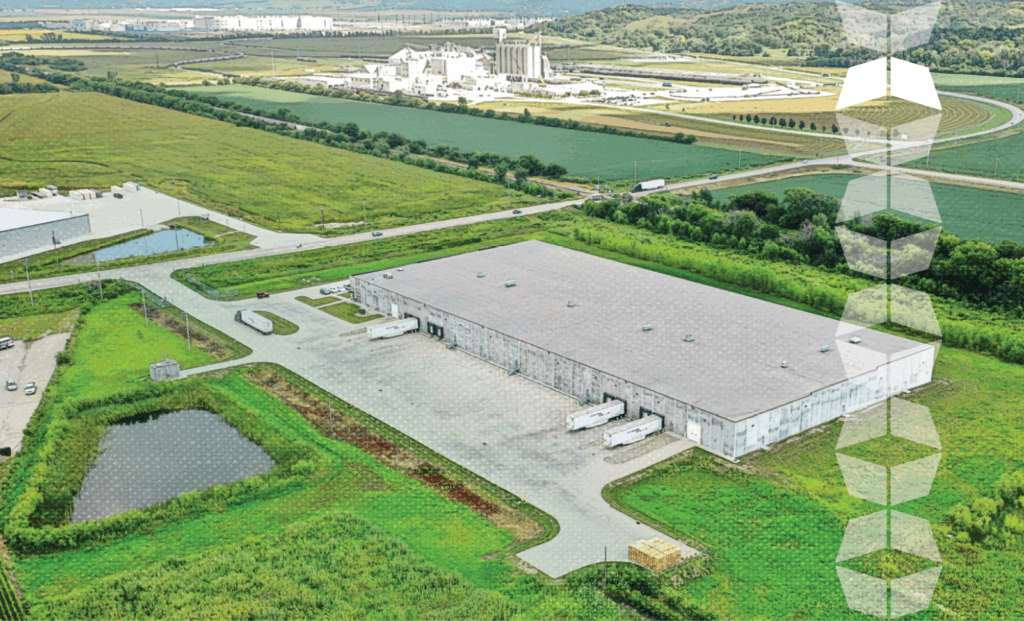
Syngenta set out to reinvent its U.S. network around the reality of where demand lives, with the majority concentrated in the Midwest. That required more than additional space. It required a greenfield distribution strategy that could launch, flex, and expand as business conditions shifted.
WSI supported the project end to end, from site strategy and facility design to staffing, systems, and go-live execution. The operation went live in October 2020, during peak volatility, and still delivered double-digit growth while maintaining top-tier on-time performance and strong safety results within Syngenta’s U.S. network.
Over time, the facility evolved into a strategic hub supporting both domestic and international shipments from a single location, including expanded capabilities such as free trade zone operations.
Proficient, Collaborative, Responsive: A 35+ Year Logistics Partnership
Long-term logistics partnerships are rare, especially in industries where service expectations, freight costs, and retail compliance requirements keep shifting. The WSI and Boise Paper relationship is an example of what happens when operational performance, systems integration, and collaboration improve year after year.
What started as an effort to reduce freight costs and improve service levels evolved into a deeply integrated operating model. WSI helped reposition inventory closer to Midwest customers, streamline processes from manual workflows to integrated systems, and improve visibility across distribution.
Over the years, WSI supported Boise Paper in achieving 2- to 3-day lead times (down from 30+ days), 0% damage to sensitive paper rolls, and the ability to scale through a 180% surge during fall peak.
WSI X Dropps: Loads of Growth

Dropps grew beyond DTC subscriptions into a complex omnichannel mix that included marketplaces and major retail partners like Target, Wegmans, H-E-B, and Thrive Market. That growth introduced a new level of compliance requirements, labeling and routing standards, and the need to execute retail programs without disrupting subscription reliability.
After transitioning from in-house fulfillment to WSI, Dropps gained a more structured, retail-ready operating model. WSI integrated into NetSuite to improve order flow and visibility, and supported retail execution with capabilities such as FBA prep, case and pallet labeling, and routing compliance.
WSI also provided the flexibility to support special projects and brand initiatives, such as assembling small sampler boxes for programs and events, without breaking the daily rhythm of core fulfillment.
The Supply Chain Moves Defining 2026

This report captured what retail and manufacturing supply chain leaders are changing right now as tariffs, trade uncertainty, and the push for predictable lead times reshape network design. It focuses on resilience, compliance, and reducing exposure to geopolitical risk through regionally aligned supply chains.
Based on insights from 250 supply chain executives, the report outlines where nearshoring and reshoring are moving from experimentation to execution, and why visibility and technology gaps continue to threaten operational performance.
It also addresses which logistics partnership models best support multi-region production flows, and what infrastructure investments are emerging as the clearest signal of long-term resilience.
Why Are More Shippers Choosing Flexible, Non-Asset Freight Solutions?
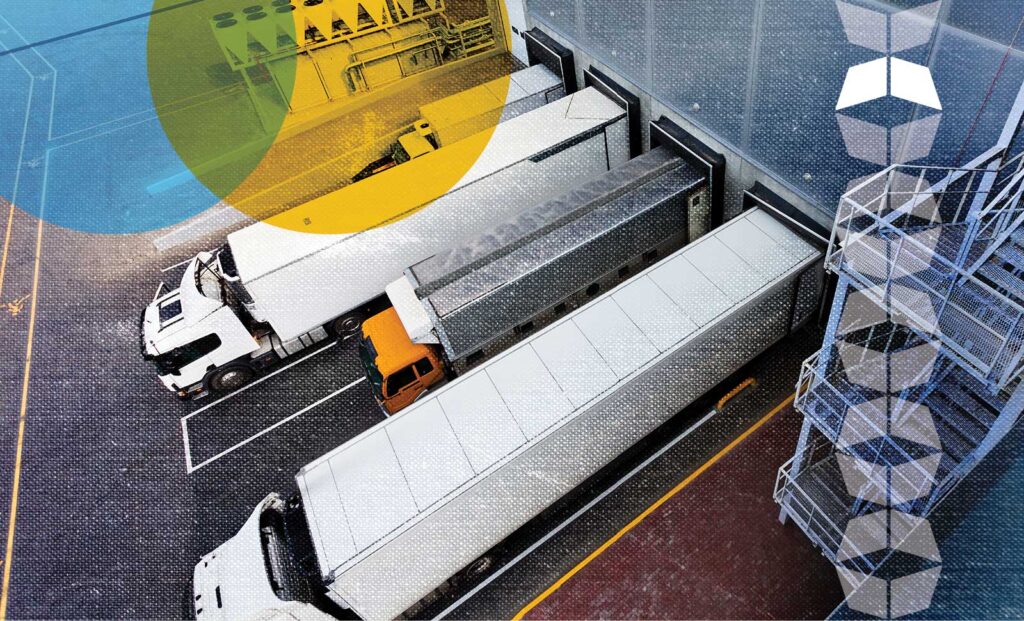
Freight volatility is no longer the exception but the current operating environment. This piece breaks down why more shippers are shifting toward non-asset freight models when they need flexibility across lanes, faster response when conditions change, and access to broader carrier options without committing to fixed capacity.
It highlights practical advantages such as scaling up and down based on real demand, reducing internal workload through a single point of contact, and improving agility when delivery windows shift or freight must be rerouted.
It also connects transportation and warehousing under one logistics partner to reduce complexity and improve end-to-end performance.
Lean Warehouse Management: Building Operational Excellence Through 3PL Partnerships
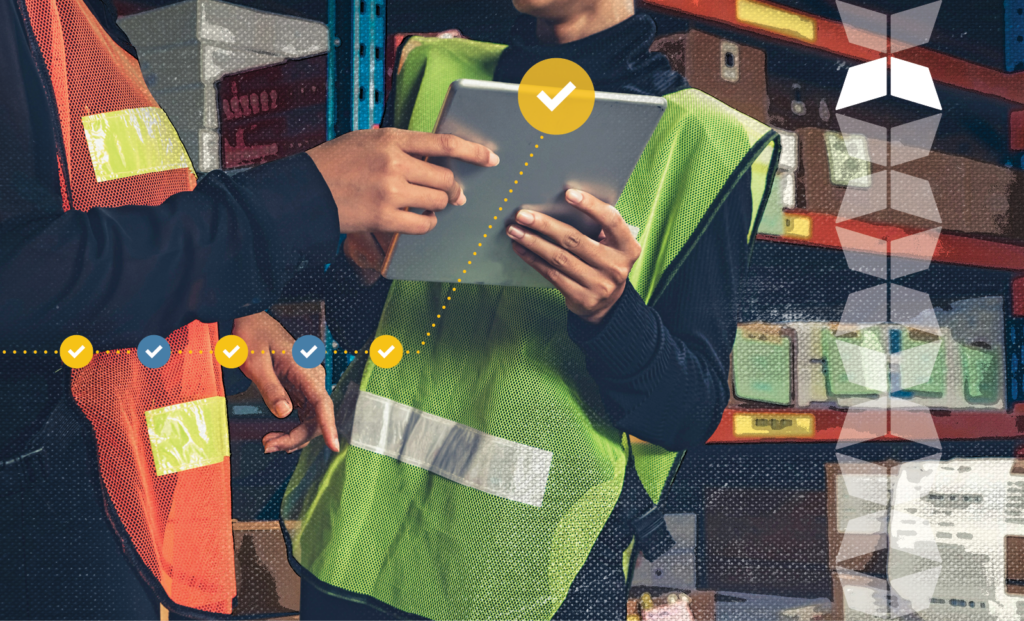
Lean warehousing is more than “nice to have” when labor is expensive, space is tight, and service expectations keep rising. This article connects lean principles to real warehouse performance, showing how operational discipline reduces waste, improves flow, and increases service reliability.
It frames the challenge clearly: labor can represent up to 70% of warehouse costs, and rising space costs add additional pressure on layout, slotting, and throughput.
From there, it provides a practical lens for evaluating lean maturity inside 3PL operations, including worker engagement, daily accountability rhythms, and continuous improvement behaviors that make lean sustainable, not performative.
10 Things to Look for in a Chemical Logistics Provider
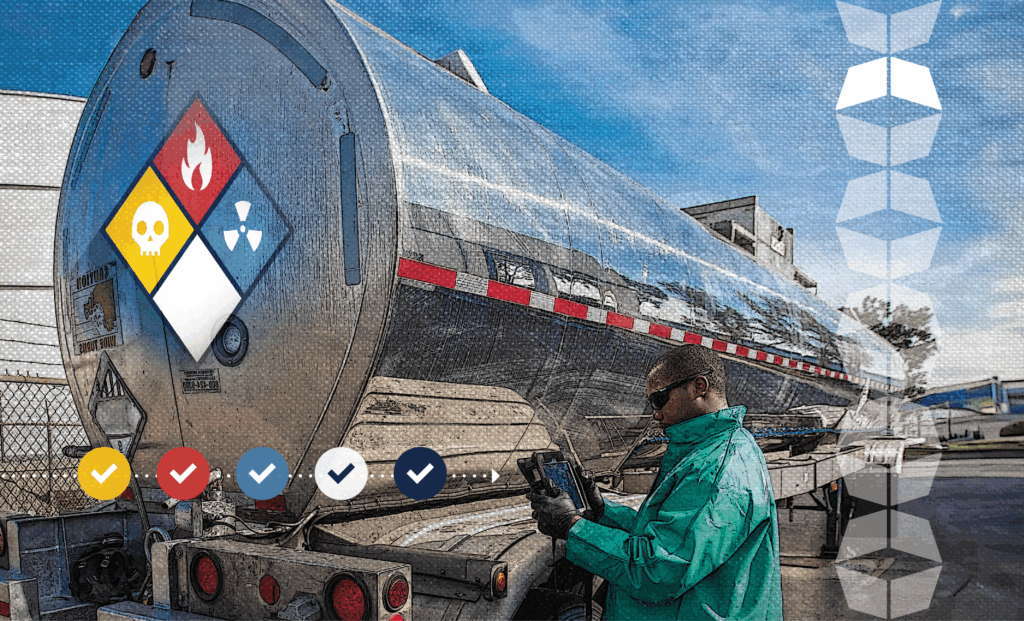
Chemical logistics is about safely managing risk while maintaining compliance across storage, handling, documentation, and transportation. This article lays out a clear set of criteria to evaluate whether a chemical logistics provider is built for the realities of hazmat operations.
It emphasizes the importance of audit readiness, inspection preparation, and systems that track regulatory updates, because compliance is not static. It also calls out the role of trained teams, including HAZWOPER-certified staff, and the need for emergency preparedness that is practiced, not assumed.
Facility design also matters, including features like secondary containment, fire suppression suited for chemical fires, ventilation, and environmental controls that protect product integrity.
How Safety-First 3PLs Protect Your Supply Chain

Fore businesses, safety should go beyond being a warehouse initiative and be viewed as a business continuity strategy. This piece explains how safety-first 3PLs reduce operational disruptions, limit regulatory exposure, and protect customer relationships by building disciplined training, equipment practices, and risk management into daily operations.
It frames warehouse risk in practical terms: mixed traffic environments, heavy machinery, multi-ton loads at height, and performance pressure create conditions where incidents quickly become downtime.
It also links safety performance to downstream impacts like insurance complications, reputation damage, and compliance scrutiny, which is why many manufacturers and retailers choose partners that treat safety as a core operating system.
Dedicated Warehousing that Works Like Your Own Facility
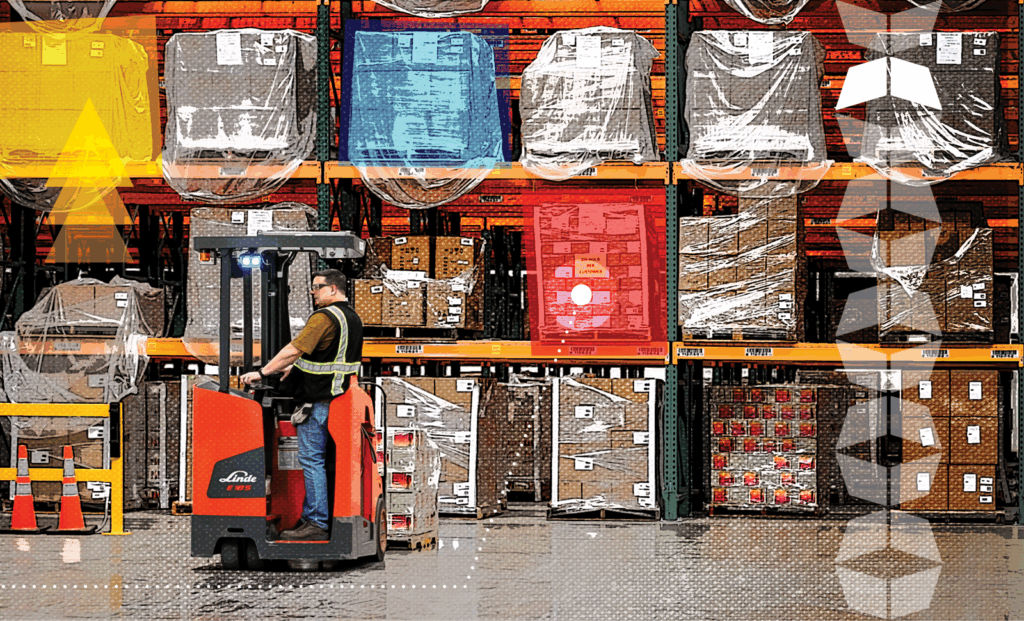
Not every operation fits neatly into a multi-tenant model, but building and running a private warehouse often comes with heavy overhead and operational complexity. This article breaks down how dedicated warehousing offers a middle path: exclusive space and a trained team that runs to a customer’s standards, supported by the infrastructure and expertise of a 3PL.
It explains what “dedicated” really means in practice, including custom layouts, product-specific handling protocols, and consistent service levels because inventory and workflows are not competing with other accounts.
It also highlights how dedicated models support stronger visibility through system integrations and performance dashboards that reflect the customer’s definition of success.
What to Look for in an ERP-Friendly 3PL
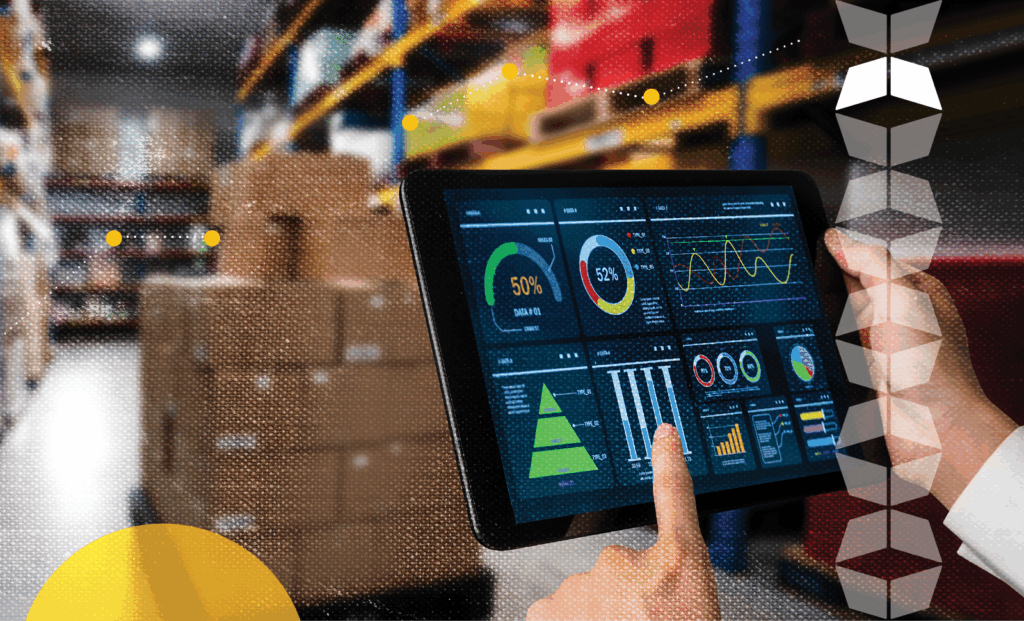
Many 3PL relationships break down at the data layer. When ERPs, WMS, and transportation systems do not connect cleanly, visibility suffers, manual workarounds multiply, and execution slows. This article outlines what an ERP-friendly 3PL must be able to do to support end-to-end flow.
It calls out the need for proven integration experience with major ERP platforms like SAP, Oracle, NetSuite, and Microsoft Dynamics, supported by a dedicated IT function and a structured onboarding approach.
It also emphasizes interoperability and long-term adaptability, so integrations stay stable through ERP updates, process changes, and new operational requirements.
Chemical Warehouse Compliance Assessment
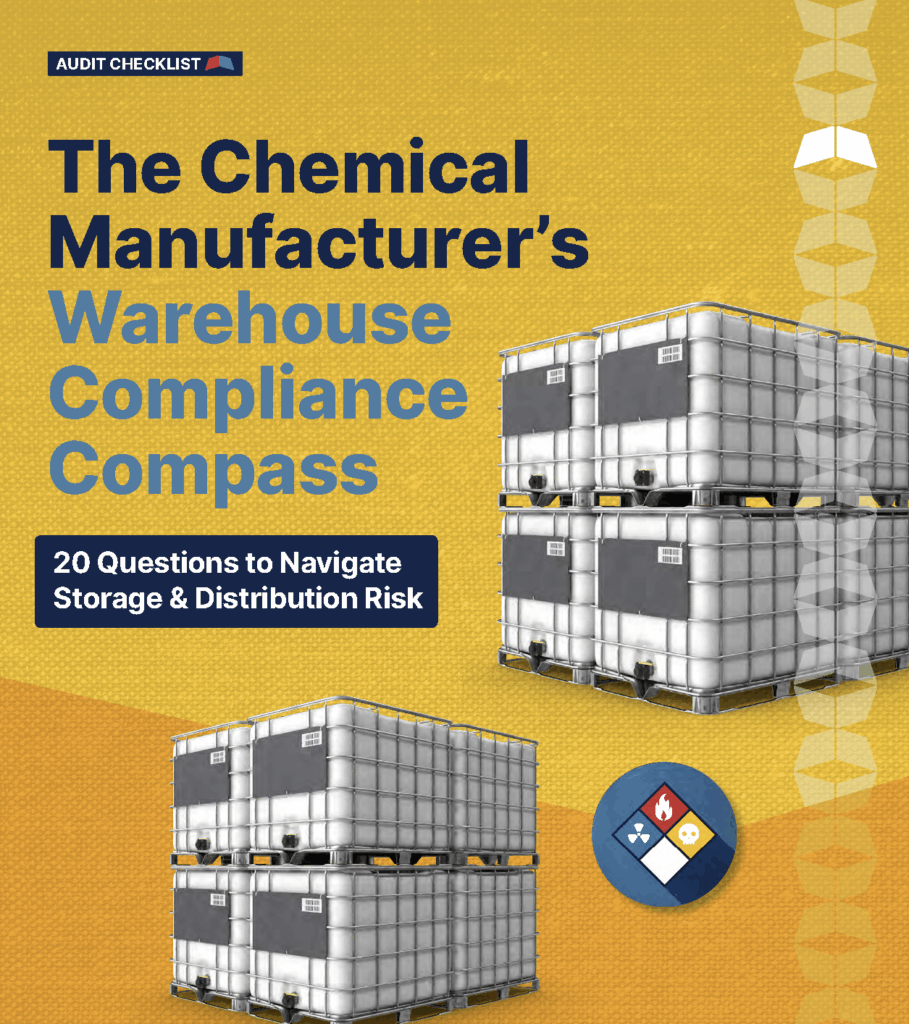
Chemical compliance is complex, and what works for a regional footprint often breaks when operations expand across states, regulatory requirements evolve, or enforcement becomes stricter. This resource provides a structured way to benchmark chemical storage operations and identify gaps before they become costly violations.
The assessment includes 20 critical questions across four compliance areas, with color-coded benchmarking against industry standards, expert guidance on what leading operations do differently, and immediate risk identification with priority recommendations.
It is also designed to support decision-making, whether a team is evaluating 3PL partners or reviewing in-house practices with a more objective lens.
In conclusion…
The most agreed-upon sentiment of 2025? Logistics leaders are looking for operational clarity.
From customer case studies to strategic research and how-to guidance, the most-read WSI content centered on control over safety, compliance, cost, visibility, and service execution. As shippers and manufacturers head into 2026, partners who combine disciplined operations with flexible capacity and strong systems integration will make the difference.
WSI collaborates with manufacturers and brands to develop and operate logistics networks that enhance cost-to-serve, mitigate risk, and deliver consistent service at scale.
Connect with WSI to build a supply chain designed for resilience, control, and long-term growth.
About the Author

Alyssa Wolfe
Alyssa Wolfe is a content strategist, storyteller, and creative and content lead with over a decade of experience shaping brand narratives across industries including retail, travel, logistics, fintech, SaaS, B2C, and B2B services. She specializes in turning complex ideas into clear, human-centered content that connects, informs, and inspires. With a background in journalism, marketing, and digital strategy, Alyssa brings a sharp editorial eye and a collaborative spirit to every project. Her work spans thought leadership, executive ghostwriting, brand messaging, and educational content—all grounded in a deep understanding of audience needs and business goals. Alyssa is passionate about the power of language to drive clarity and change, and she believes the best content not only tells a story, but builds trust and sparks action.